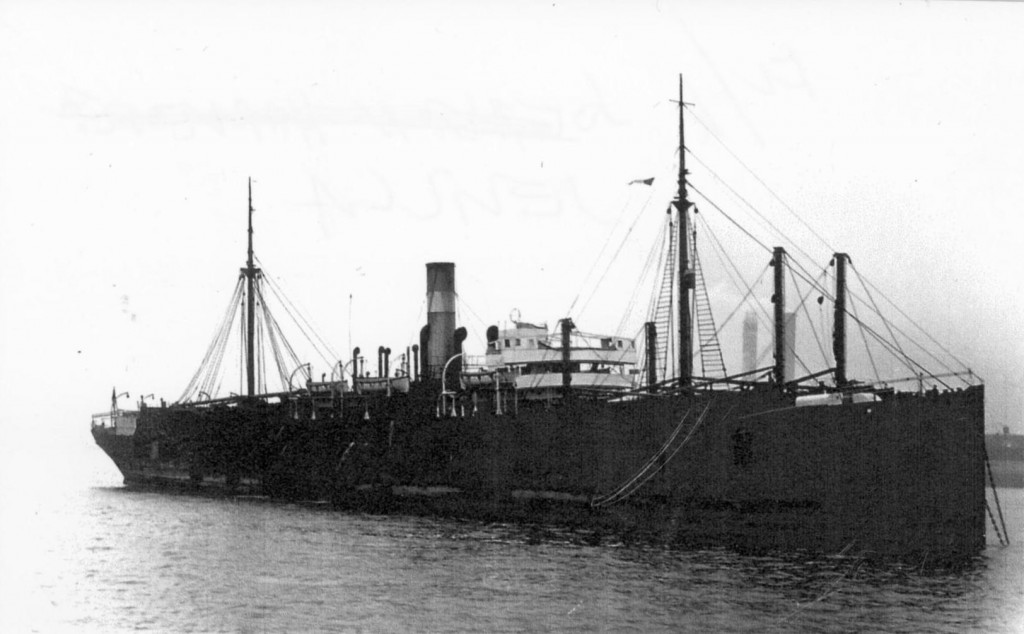
SEVILLA
Skipstype
Kallesignal
KMLT (Etter 1933: VPNF),
Byggeår
1900
Leveringsmåned
April
Nasjonalitet
 Norge
NorgeHjemmehavn
Sandefjord
Mønstringsdistrikt
Sandefjord
| Rederi | Selskap | Navn | Fra | Til |
|---|---|---|---|---|
Anders Jahres rederi (1929- 1989), Sandefjord | I/S Sevilla (Gustav B. Bull) | SEVILLA | 1929 | 1929/12 |
Waalman & Bugge | The Sevilla Whaling Co.Ltd | SEVILLA | 1929/12 | 1930 |
Granøe & Fuhr | Hvalfanger-A/S Polhavet, Tønsberg | SEVILLA | 1930 | 1933 |
Chr. Salvesen & Co, | Hvalfanger-A/S Polhavet, Tønsberg | SEVILLA | 1933 | 1936 |
Chr. Salvesen & Co, | Polar Whaling Co. (Chr. Salvesen & Co., Leith, Scotland). | SEVILLA | 1936 | 1949 |
Verft
Byggested
Sunderland
Byggenummer
81
Offisielt nummer
146549
Tonnasje og dimensjoner
Bruttotonnasje
6.414
Nettotonnasje
4.267
Dødvekt
7.022
Drektighet
–
Skrog LOA
397,0’
Skrog LBP
–
Bredde
52,2’
Dybde (i riss)
–
Dypgående
28,0’
Funksjon (norsk)
Fartøy for bearbeiding av hval
Ombygd
1922 til kokeri v/Smith's Dock.
Maskin/motor
Fremdrift
Dampmaskin
Maskin-/motorbygger
T. Richardson & Sons Ltd, Hartlepool, England
Maskin-/motortype
Stempelmaskin
Maskin-/motorytelse
436 NHK
Elkraft
Vdc
Takt / ekspansjon
3-trinns ekspansjon,
Sylinderantall
3
Sylinderdim.
27"-43"-72"
Slag
48"
Hastighet
10,0 knop knop
Fangststøtte
8 x åpne koker, 20 x presskjeler5 x separatorer.
Manøvreringssystemer
Dampdrevet styremaskin
Dekksmaskineri
Dampdrevet ankerspill og vinsjer
Kommunikasjonsutstyr
Telefoni og telegrafi
Navigasjonsutstyr
Kompass, peileapparat (DF), ekkolodd
Senere brukt
Fra 1934/35 ikke i drift som kokeri. Senere benyttet som transportbåt til hvalstasjonene på Syd-Georgia. Hugget i 1949.
Klassifisering
Lloyd’s + (Carrying whale oil in bulk).
Land / nasjonalitet
Norge
Kjøpt
1929
Solgt
1929/12
Kilde: Miramar Shipindex / Lloyd’s Reg. 1930-45 / På alle hav, Pensjonistfor. Anders Jahre/Kosmos, 2007 / Twentieth-Century Shore-Station Whaling in Newfoundland and Labrador, A.B. Dickinson & C.W. Sanger 2005 / From 70 North to 70 South, Graeme Somner, 1984 /
1900 Bygget som kombinert passasjer- og lasteskip SEVILLA ved J. Priestman & Co., Southwick, Sunderland for det spansk/tyske rederiet A.C. de Freitas & Co, Hamburg. Overlevert i april. Registrert i Hamburg.
Solgt samme år til Hamburg-Amerika Linie, Hamburg sammen med hele rederiet og satt i linjefart som emigrant- og lasteskip på Syd-Amerika. Navn uendret.
1914 I august internert i argentinsk havn ved utbruddet av Den første verdenskrig.
1919 Overgitt til Storbritannia og overtatt av Board of Trade, London. Britisk registrert, navn uendret.
1922 Innkjøpt i april av The South Georgia Co. Ltd (Chr. Salvesen & Co.), Leith UK for ombygging til flytende hvalkokeri. Ombygging ble foretatt ved Smith’s Dock Co i Middlesbrough. Navn uendret.
Skipets lastekapasitet målt til 30.000 fat i tank, og 5.000 fat i fat.
SEVILLA var det største av skipene som ble ombygget til hvalkokeri.
Fanget med tre til fire hvalbåter i de antarktiske fangstsesongene 1922/23 til 1928/29
1927 I fangst i Sydishavet sesongen 1927/28. Kombinert fangstbestyrer og skytter var Magnus Davidsen.
1928 Fikk store skader på ror og propell og måtte avbryte fangsten. Resultat av sesongen ble 37.303 fat.
1929 Om sommeren solgt til I/S Sevilla (Gustav B. Bull) sammen med hvalbåtene SILVA, SOUSA, SJOA og SAIMA for £105.000. Disposisjonen av selskapet ble overlatt til Anders Jahre. Selv dro han på hvalfangst som fangstbestyrer for Lars Christensen. Han var fangstbestyrer for ekspedisjonene til THORSHAMMER og THOR I sesongen 1929/30
Selskapet, med kokeri og hvalbåter, solgt videre til Waalman & Bugge, Tønsberg i desember.
SEVILLA-ekspedisjonen ble sendt til Sydishavet det året.
1930 I januar stifter Waalman & Bugge selskapet A/S Sevilla. Selger videre til det nyopprettede selskapet, Hvalfangerselskapet Polhavet (Granøe & Fuhr A/S), Tønsberg. Dette selskap stiftet selskapet Polar Whaling Co. Ltd. (A/S Polhavet), London i mai og flåten ble så leid ut til dette selskapet. Flåten ble utleid til dette selskapet da A/S Sevilla mente at dette gamle skipet ikke kunne konkurrere med de mer moderne kokeriene. Bemerk at Chr. Salvesen & Co. hadde eierinteresser i A/S Sevilla så vel som i A/S Polhavet og reddet disse fra konkurs etter opplagssesongen 1931/32 ved å øke eierandelene - og deretter erverve selskapene 100 %.
1933 SEVILLA og hvalbåtene SILVA, SOUSA og SAIMA solgt tilbake Chr. Salvesen & Co., Leith i oktober, men ikke inkludert under Salvesens flagg. Ikke satt i fangst som kokeri, men benyttet som tankskip. Ny norsk representant; Onesimus Andersen, Tønsberg. Navn og registreringshavn uendret.
Grunnen til at Salvesen sikret seg full kontroll av A/S Polhavet/Polar Whaling Co. var at selskapet begynte å sno Salvesen og Sandefjords Thor Dahl A/S for skyttere – selv om det var på konkursens rand. Overtakelsesprosessen var en koordinert operasjon med Lars Christensen. Ved å kjøpe opp aksjemajoriteten - for så å avsette rederiledelsen, sikret d’herrer Lars Christensen og Harold Salvesen seg mindre konkurranse, samt at Salvesen tok kontrollen over skipsmateriellet. (Hvordan Lars og Harold gjorde opp seg imellom sier historien intet om, men man aner et jovialt samrøre).
Kallesignal byttes til VPNF(britisk),og eier oppgis til Polar Whaling Co Ld.
1934 Ikke i fangst som hvalkokeri.
1935 Ikke i fangst som hvalkokeri.
1936 Ifølge listen i Hvalfangernes Assuranse selskaps årlige rapport, er SEVILLA listet med tre hvalbåter. Nemlig SOUSA (1924), SILVA(1924) og SAIMA.(1924). Alle med Polar Whaling Co, Ltd (Chr. Salvesen & Co) som eiere. SEVILLA ikke i fangst som hvalkokeri.
Samme år formelt overtatt av Chr. Salvesen & Co., og rederiet Polar Whaling Co. Inc. registrert som driftsselskap under Salvesen.
1937 Benyttet som transportskip for landstasjonen Hawke Harbour, Labrador fra 1937 til utbruddet av WWII
1940 Ankom havnen i Liverpool 07/04 med konvoi HG.25 via Gibraltar med en last hvalolje.
1941 Foretar fire reiser over Atlanteren til havner i USA og Canada i dette året. Tilbake i Liverpool i desember med en last hvalolje.
1942 Ikke godkjent til konvoifart i Atlanterhavet i begynnelsen av krigen grunnet lav marsjfart og tekniske problemer. Satt in i fraktfart hovedsakelig på havner i Skottland.
1945 På ny satt inn som transportskip på Leith Harbour i mangel av mer egnet etterkrigstonnasje. 45 år gammelt og nedslitt.
1946 Hvalbåtene SILVA, SOUSA og SAIMA ble solgt.
1949 Solgt i juni for hugging i Ghent, Belgia.
1900 Built as combined cargo/passenger liner SEVILLA by J. Priestman & Co., Southwick, Sunderland for the Spanish/German A.C. de Freitas & Co., Hamburg. Registered in Hamburg.
Later same year purchased together with the entire company by Hamburg-Amerika Linie, Hamburg. Name unchanged. Used as cargo/emigrant vessel Europe-South America.
1914 In August, detained in the Argentine port at the outbreak of the First World War.
1919 Surrendered to Great Britain and taken over by Board of Trade, London. Name unchanged.
1922 In April purchased by The South Georgia Co. Ltd (Chr. Salvesen & Co.), Leith UK for conversion to whale processing vessel. The conversion was executed at the Smith’s Dock Co. Name unchanged. Her whale oil cargo capacity was measured to 30.000 barrels in bulk plus 5.000 barrels/barrels.
SEVILLA was the biggest of the ships converted to a whaling factory ship.
In Antarctic service with three to four whale catchers from the 1922/23-season to 1928/29
1926 The 1926/27 season the factory SEVILLA planned to do whaling at South Orkney but was chased by the English inspector as Salvesen did not have a license for more than one factory at a time here. SARAGOSSA was the other factory. SEVILLA then started her catch outside the 3-mile border. Something that was allowed. After 14 days, the factories exchanged place.
1927 Whaling in the Southern Seas also the season of 1927/28. The combined whaling manager and shooter was Magnus Davidsen.
1928 Damage to rudder and propeller 05/03. It was so bad that they had to break up and end the season. Final result was 37.303.
1929 During the summer sold to I/S Sevilla (Gustav B. Bull) for £105.000, including the whale catcher SILVA, SOUSA, SJOA and SAIMA. Gustav B. Bull left over the management to Mr. Anders Jahre and he himself went to the whaling ground as whaling manager for Mr. Lars Christensen. The I/S Sevilla was further sold to Waalman & Bugge, Tønsberg during the month of December.
SEVILLA and her four catchers were sent to the Antarctic for whaling the whaling season of 1929/30.
1930 In January company Waalman & Bugge of Tønsberg established the A/S Sevilla. Again, the fleet was sold. This time to the newly established company Hvalfangerselskapet Polhavet (Granøe & Fuhr A/S), Tønsberg.
This company established a new company, the Polar Whaling Co. Ltd. (A/S Polhavet) of London in May. The whole fleet hired out to this company. The reason was that the A/S Sevilla found the factory SEVILLA too old to compete with the new and more modern factories.
Name unchanged. Registered in Port Stanley, Falkland Islands.
(Salvesen of Leith had stakes in the ”Sevilla” and ”Polar” whaling companies. After getting financial problems in the wake of the 1931/32 lay-up season, Salvesen purchased the two companies in 1933).
1933 SEVILLA and the catcher SILVA, SOUSA and SAIMA sold to Chr. Salvesen & Co., Leith in October, but not included under the Salvesen flag. SEVILLA did not act as a whaling factory, but as a tanker and supply ship with Onesimus Andersen, Tønsberg as the representative. Name and port of registry not changed.
The reason for Salvesen to take control of the A/S Polhavet/Polar Whaling Co. was that the company started ”stealing” whale gunners from Salvesen, and the Sandefjord based A/S Thor Dahl – even in realty the company was broke. The takeover process was a cooperative operation with Mr. Lars Christensen. By purchasing stocks and getting the majority – and then fire the leaders of the company, Mr. Lars Christensen and Harold Salvesen secured less competition, and Salvesen had the fully control of vessels. (How Lars and Harold handled the payment, the story does not tell).
Call sign is changed to VPNF (British).,
1934 Not in operation as whaling factory.
1935 Not in operation as whaling factory.
1936 According the yearbook of “Hvalfangernes Assuranceforening” (1936), The SEVILLA is listed with three catchers, namely SOUSA (1924), SILVA (1924) and SAIMA (1924). The Polar Whaling Co, Ltd (Chr. Salvesen & Co) was the owner. Not in operation as whaling factory.
Same year formally taken over by Chr. Salvesen & Co., and company Polar Whaling Co. Inc. registered as managers only under Salvesen.
1937 Used as supply ship for Polar Whaling Co.s shore-station Hawkes Harbour, Labrador from 1937, until the WWII began.
1940 Arrived at the port of Liverpool 07/04 with convoy HG.25 via Gibraltar with a load of whale oil.
1941 Makes four transatlantic voyages to ports in the United States and Canada this year. Back in Liverpool in December with a load of whale oil.
1942 Not approved for convoy sailing in the Atlantic at the beginning of the war due to low cruising speed and technical problems. Deployed in freight mainly at ports in Scotland.
1945 Re-deployed as a transport vessel at Leith Harbor as a result of lack of more suitable post-war tonnage. 45 years old and dilapidated.
1946 The remaining catchers SILVA, SOUSA and SAIMA was sold.
1949 In June, sold for demolition to breakers at Ghent, Belgium.
SEVILLA (Br), 7,022 brt, bygget 1900. Rute under annen verdenskrig
Fra Til Konvoi Ankomst Last
01 Depart Gibraltar on 28 March 1940 Arrive Liverpool on 7 April 1940 HG.24 LIVERPOOL Whale Oil
02 Depart Liverpool on 20 March 1941 Dispersed 58N 23.25W on 26 March 1941 OB.300 BALTIMORE
03 Depart Halifax on 29 April 1941. Arrive Liverpool on 20 May 1941. SC.30 LIVERPOOL Grain
04 Depart Belfast Lough on 20 May 1941 Arrive Milford Haven on 22 May 1941 BB.23 MILFORD HAVEN
05 Depart Liverpool on 14 June 1941 Arrive Gibraltar on 28 June 1941 1941 OG.65 THREE RIVERS
06 Depart Sydney, Cape Breton, Nova Scotia on 22 July 1941 Arrive Liverpool on 8 August 1941 SC.38 LIVERPOOL Grain
07 Depart Liverpool on 7 September 1941. Dispersed 56.25N 24.50W on 14 September 1941. ON.14 NYC
08 Depart Sydney, C. Breton, NS on 22 November 1941 Arrive Liverpool on 10 December 1941. SC.56 LIVERPOOL Whale Oil, 2 PASSENGERS
09 Depart Liverpool on 27 December 1941. Dispersed on 11 January 1942. ON.51 RETURNED
10 Depart Liverpool on 8 January 1942. Dispersed 44.25N 51.19W on 26 January 1942 ON.55 NYC
11 Depart Oban on 7 March 1942. Arrive Methil on 10 March 1942. WN.255 METHIL
12 Depart Loch Ewe on 17 April 1942. Arrive Methil on 19 April 1942. WN.271 METHIL
13 Depart Methil on 4 May 1942. Arrive Oban on 6 May 1942. EN.80 OBAN
14 Depart Loch Ewe on 17 May 1942. Arrive Methil on 19 May 1942. WN.284 METHIL
15 Depart Methil on 6 June 1942. Arrive Oban on 8 June 1942. EN.94 OBAN
16 Depart Loch Ewe on 18 June 1942. Arrive Methil on 20 June 1942. WN.298 METHIL
17 Depart Methil on 3 July 1942. Arrive Loch Ewe on 5 July 1942. EN.106 LOCH EWE
18 Depart Loch Ewe on 17 August 1942 Arrive Reykjavik on 21 August 1942. UR.37 REYKJAVIK
19 Depart Reykjavik on 31 August 1942. Arrive Loch Ewe on 4 September 1942. RU.38 LOCH EWE